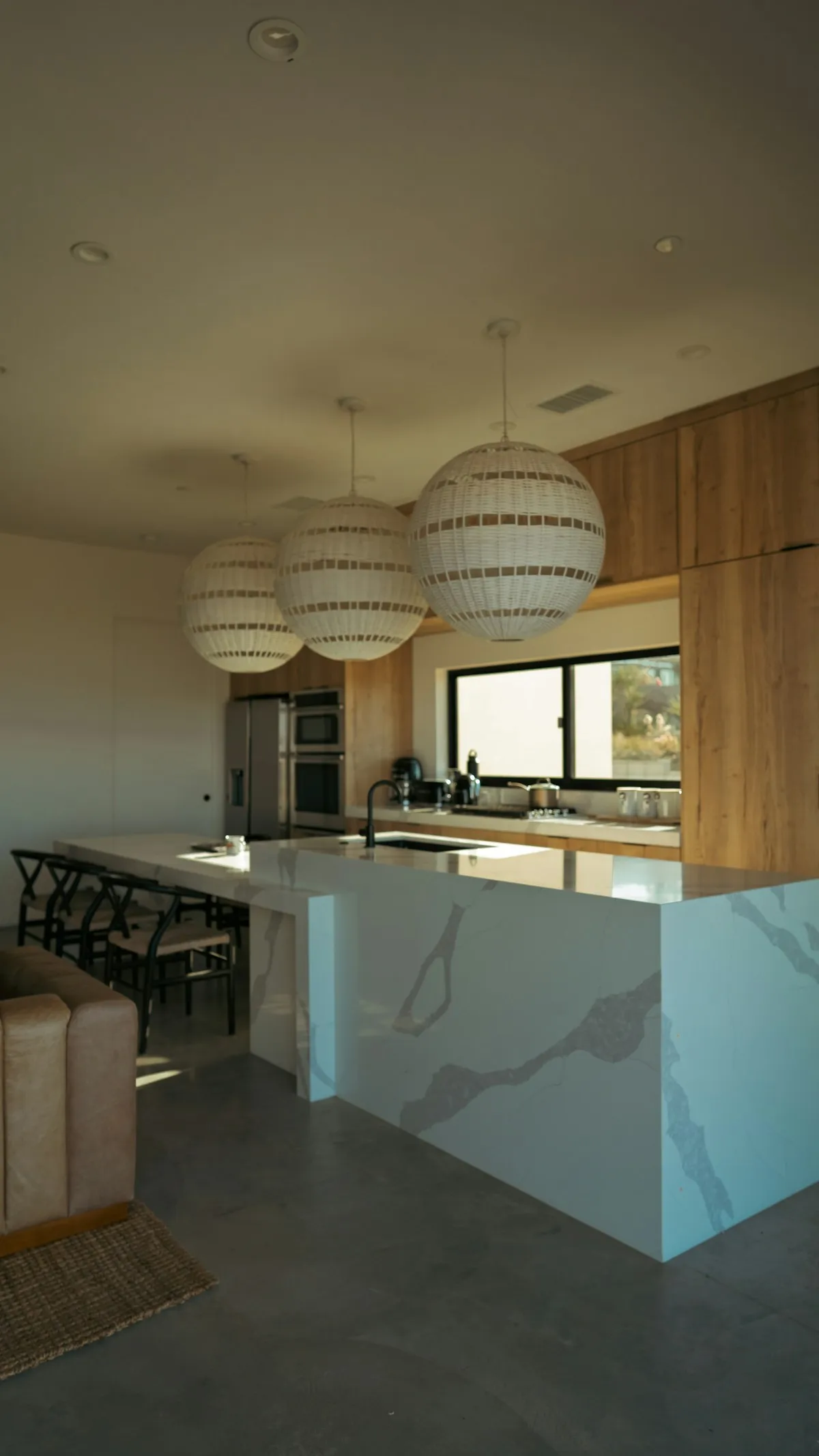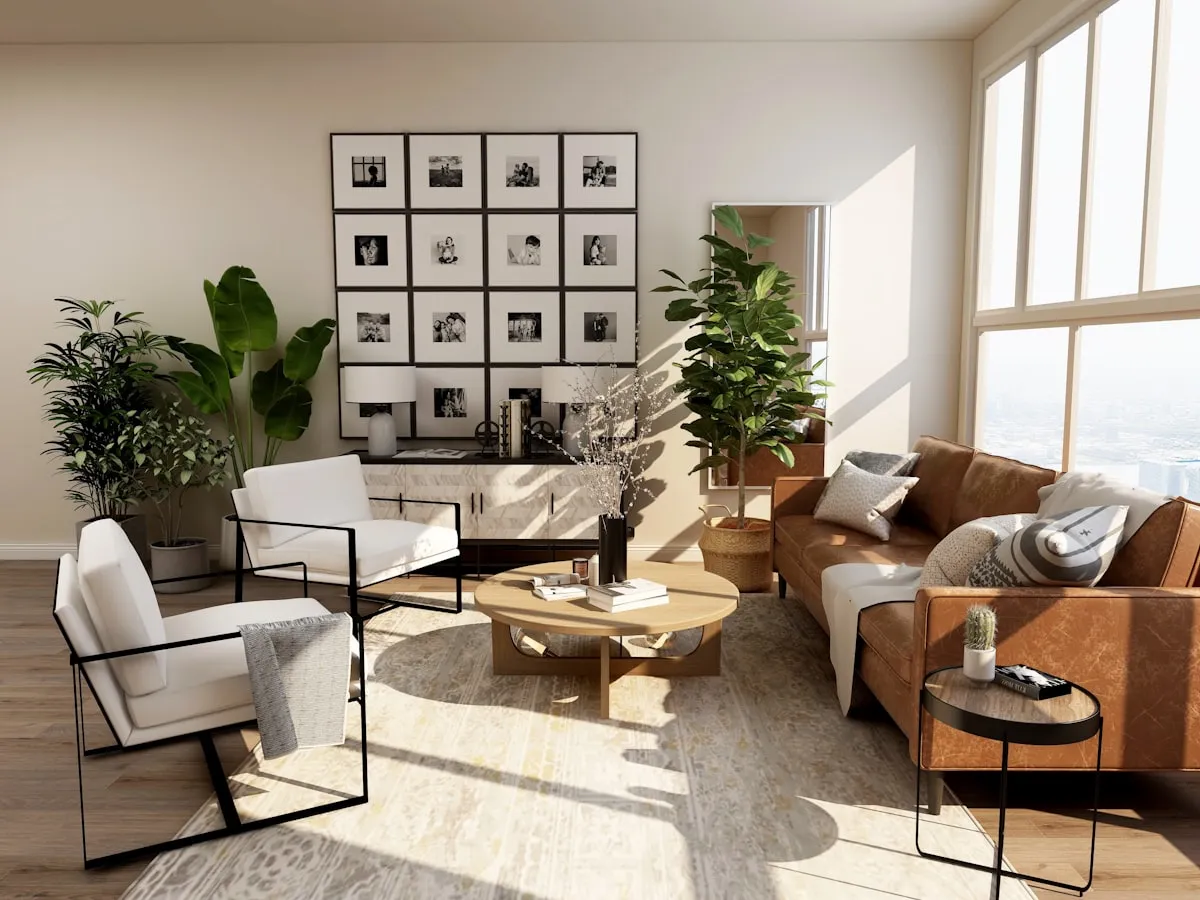


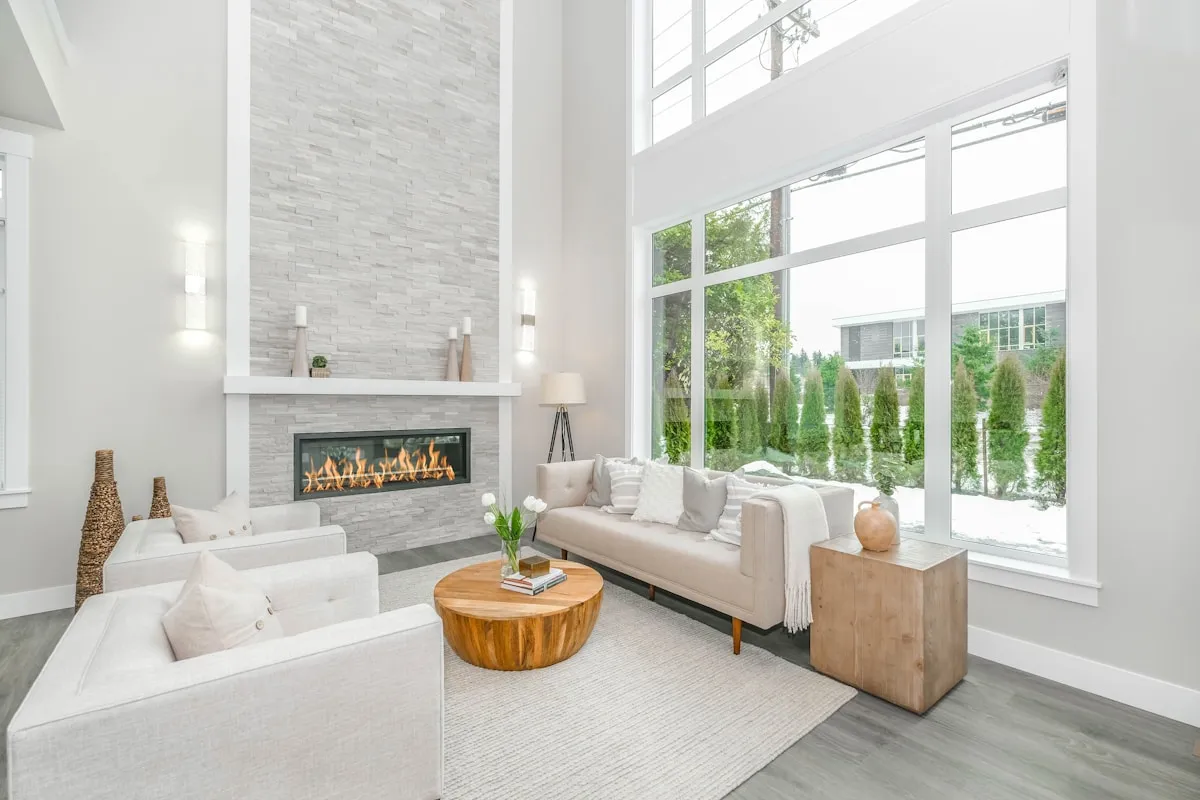
The first impression buyers have of your property determines 90% of their purchase decision, according to the NAR Profile of Home Staging 2025. In a real estate market as competitive as Barcelona in 2026, where the average time on market ranges between 68 and 77 days for well-prepared properties, properly preparing your home can make the difference between a quick sale at your desired price or months of frustration with offers below market value.
This comprehensive guide provides you with a proven 6-phase system and over 50 action points to transform your property into an irresistible product for buyers. By following this checklist, you can sell your home up to 73% faster (NAR 2025) and achieve between 10% and 15% more than the expected price.
The 4 Pillars of Pre-Sale Preparation
Before diving into the detail of each phase, it’s essential to understand the four pillars on which successful preparation is built:
1. Depersonalization
Your home must become a blank canvas where buyers can project their own lives. This means removing personal elements that hinder that emotional connection.
2. Deep Cleaning
An immaculate property conveys care and maintenance. Buyers associate cleanliness with the overall condition of the property, including systems and structures they cannot see.
3. Minor Repairs
Small defects generate distrust. A dripping tap or a chipped wall makes buyers wonder what other hidden problems the property might have.
4. Documentation
Having all documentation prepared conveys professionalism and speeds up the sales process, avoiding delays that can discourage interested buyers.
Key stat for 2026: Properties prepared with professional home staging sell 73% faster than unprepared ones, and 75% sell in less than 90 days (NAR 2025). The investment has a return (ROI) of 280-400% (RESA 2025).
PHASE 1: Depersonalization and Organization (Week 1)
Depersonalization is the first step and perhaps the most emotionally difficult. Your home is full of memories, but to sell it you need to transform it into an attractive product for any buyer.
Remove Personal Items
Family photographs: Remove all photos from frames, walls, and shelves. Buyers need to imagine themselves living there, not feel like intruders in your personal life.
Personal collections: Store figurines, trophies, diplomas, and any personal collections. Although they hold sentimental value for you, for a buyer they are distractions.
Religious or political items: These elements can generate unconscious rejection in buyers with different beliefs. Neutralize these spaces.
Travel souvenirs: Fridge magnets, souvenirs, and decorative travel objects should be stored temporarily.
Reduce Furniture
Excess furniture makes spaces appear smaller than they actually are. Apply the 30% rule: remove approximately one-third of the furniture.
Furniture to remove as priority:
- Additional sofas or armchairs that don’t add functionality
- Unnecessary side tables
- Extra dining chairs
- Furniture that obstructs passage or natural circulation
- Cabinets or shelving units that overwhelm the walls
Neutralize the Decor
Colors: If you have walls in very intense or personal colors (fuchsia, bright orange, black), consider painting them in neutral tones: white, beige, light gray, or soft tan.
Textiles: Replace curtains, cushions, and throws with bold patterns for versions in solid, neutral colors.
Art: Remove very personal artwork or pieces with very specific taste. Opt for abstract art or landscape photographs in neutral tones.
Create a Sense of Space
Clear surfaces: Kitchen counters, tables, desks, and shelves should show only essential items and minimal decorative elements.
Organize closets: Buyers will open the closets. A closet organized to 70% capacity conveys ample storage.
Free up the floor: Remove small rugs, planters, and any objects that reduce the visual sense of floor space.
Practical tip: Rent a temporary storage unit during the sales process. For about 60-100 euros per month you can store the furniture and objects you remove, keeping your property in optimal condition for viewings.
PHASE 2: Professional Cleaning (Week 1-2)
A deep clean goes far beyond regular cleaning. You need to ensure that every corner of the property conveys freshness and meticulous care.
Cleaning Checklist by Room
Entrance and common areas:
- Thoroughly clean the doormat or replace it if worn
- Polish the mailbox and doorbell plate
- Clean stair railings and handrails
- Mop the entrance floor with a polishing product
- Remove cobwebs from corners and ceilings
Living room and dining room:
- Clean interior and exterior glass until all marks are removed
- Vacuum sofas and armchairs, including under the cushions
- Steam clean upholstery if necessary
- Polish wooden furniture with a specific product
- Clean lamps and wall lights, including bulbs
- Remove dust from radiators and air ducts
Kitchen:
- Complete degreasing of extractor hood, filters included
- Clean oven and microwave inside and out
- Defrost and clean refrigerator and freezer
- Clean inside cabinets and drawers
- Descale faucets and sink
- Clean tile grout with a specific product
- Organize pantry showing only essential products
Bedrooms:
- Vacuum mattresses and air them out
- Clean inside built-in wardrobes
- Clean under the beds
- Polish mirrors and reflective surfaces
- Remove dust from headboards and bed frames
Bathrooms:
- Descale faucets until they shine
- Clean shower screens removing lime residue
- Whiten tile grout if darkened
- Clean mirrors without leaving marks
- Replace shower curtains if deteriorated
- Check and clean drains removing blockages
- Organize bathroom cabinets to a minimum
Maximize Natural Light
Light is one of the most valued factors by buyers. Do everything possible to maximize it:
- Clean windows inside and out (schedule bi-weekly cleanings during the sale)
- Remove heavy net curtains that filter light
- Prune exterior plants or bushes that block windows
- Replace burned-out bulbs and increase wattage where necessary
- Consider changing bulbs to warm LED (3000K) for a cozy atmosphere
Odor Elimination
Odors are one of the main causes of rejection during viewings. Smell generates instant emotional responses.
Odors to eliminate:
- Tobacco: requires cleaning ceilings, walls, and textiles
- Pets: deep cleaning of textiles, vacuuming hair
- Dampness: solve the cause and use dehumidifiers
- Cooking: ventilate before viewings, avoid cooking strong-smelling foods
- Stuffiness: ventilate daily for at least 15 minutes
Recommended scents for viewings:
- Freshly brewed coffee
- Bread or pastries (you can put some cookies in the oven 15 minutes before)
- Mild scented candles (vanilla, soft citrus)
- Fresh natural flowers
Note about pets: During viewings, it is advisable that pets are not present. Some buyers may have allergies or phobias. Also remove pet bowls, litter boxes, and pet toys from sight.
PHASE 3: Minor Repairs (Week 2-3)
Small repairs have a disproportionate impact on perceived value. A minor defect can make a buyer imagine larger hidden problems.
Priority Repairs List
Plumbing:
- Fix dripping taps
- Solve toilet cisterns that leak
- Fix slow drains
- Seal sanitary ware joints if deteriorated
- Check water pressure at all outlets
Electrical:
- Replace broken or yellowed switches
- Repair non-working outlets
- Change burned-out bulbs
- Fix doorbells that don’t ring
- Check that all light points work
Carpentry:
- Adjust doors that rub or don’t close properly
- Repair drawers that stick
- Replace loose or deteriorated handles
- Fix blinds that don’t roll up correctly
- Secure unstable shelves
Painting:
- Touch up chips and scuffs on walls
- Paint ceilings with damp stains (after solving the cause)
- Repaint deteriorated door and window frames
- Cover marks from pictures or furniture on walls
Small details:
- Replace blackened silicone in kitchen and bathrooms
- Repair broken or loose tiles
- Fix detached baseboards
- Replace damaged moldings
- Repair surface wall cracks
Indicative Repair Budget
For a typical 80-100 m2 property in Barcelona, the average budget for minor repairs ranges between 500 and 1,500 euros, depending on the initial condition:
| Type of repair | Approximate cost |
|---|---|
| Minor plumbing kit | 50-150 euros |
| Electrical materials (switches, outlets) | 30-80 euros |
| Touch-up paint | 50-100 euros |
| Silicone and sealants | 20-40 euros |
| Professional handyman (1-2 days) | 200-400 euros |
| Professional painter (if needed) | 300-600 euros |
What You Should NOT Repair
Some repairs don’t justify the investment because they don’t proportionally increase perceived value:
- Kitchen or bathroom renovations: Unless they’re in very poor condition, buyers will prefer to do them to their taste
- Complete floors: If they’re in acceptable condition, don’t change them
- Windows: It’s a high investment that is rarely recovered in the price
- Major structural problems: Better to declare and negotiate than try to hide
- Complete HVAC systems: The buyer will value other factors
The 3:1 Rule: Only invest in repairs where each euro spent adds at least 3 euros of perceived value. Minor repairs have the best ROI; major renovations are rarely recovered.
PHASE 4: Basic Home Staging (Week 3)
Home staging is the art of preparing a property to be attractive to the largest possible number of buyers. It’s not about deceiving, but about showing the maximum potential of each space.
Key Home Staging Elements
Textiles:
- New cushions in neutral tones (beige, gray, off-white)
- Knit or linen throws for sofas
- New, fluffy towels for bathrooms (white or gray)
- New, neutral bedding for bedrooms
- Clean rugs that define spaces
Plants and nature:
- Large-leafed green plants in the living room (monstera, ficus)
- Small plants on shelves and side tables
- Fresh flowers for the day of viewings
- Fruit bowls in the kitchen
Lighting:
- Auxiliary lamps that create warm atmospheres
- Decorative candles (better not to light them during viewings for safety)
- String lights on terraces or balconies
Accessories:
- Decorative books stacked (art, travel, gastronomy)
- Organizing trays on coffee tables
- Wicker baskets for visible storage
- Mirrors to enlarge small spaces
Home Staging DIY vs Professional
Home staging DIY (do it yourself):
- Investment: 200-500 euros
- Time: 1-2 weekends
- Ideal for properties in good condition that only need finishing touches
- Resources: Pinterest, specialized blogs, stores like IKEA, Zara Home, H&M Home
Professional home staging:
- Investment: 1,500-4,000 euros (furniture rental included)
- Time: 1-3 days of work
- Recommended for vacant properties or those with very outdated decor
- Documented ROI: 280-400%
Staging by Room
Entrance:
- Console or auxiliary furniture with mirror above
- Decorative lamp
- Plant or vase
- Key tray
Living room:
- Clear sofa with decorative cushions (maximum 4-5)
- Coffee table with book, candle, and small plant
- Throw artistically folded over the arm of the sofa
- Curtains that fall to the floor
Dining room:
- Table set simply (placemats, neutral tableware)
- Low centerpiece (to not obstruct the view)
- Aligned chairs
Kitchen:
- Counters practically empty (only 2-3 decorative elements)
- Fresh fruit bowl
- New, coordinated kitchen towels
- Visible organized spice rack
Master bedroom:
- Layered bedding (sheet, duvet, cushions, throw at the foot)
- Symmetrical nightstands with matching lamps
- Picture or print above the headboard
Bathrooms:
- Towels rolled or decoratively folded
- Matching soap dish and dispenser
- Plant that tolerates humidity (pothos, bamboo)
- Decorative aromatic candle
The hotel trick: Get inspired by how 4-5 star hotel rooms are presented. White bedding, fluffy towels, few but quality objects, and lots of order. That’s the feeling your property should convey.
PHASE 5: Legal Documentation (Week 3-4)
Having all documentation prepared before receiving offers speeds up the process and conveys seriousness. A buyer who receives quick responses with complete documentation gains confidence.
Essential Documents
Nota Simple (Property Registry Extract) - updated:
- Obtained from the Property Registry (Registro de la Propiedad)
- Cost: 9-12 euros (online) or 15-20 euros (in person)
- Validity: recommended not more than 3 months old
- Shows: ownership, charges, mortgages, easements
Certificado de Eficiencia Energetica - CEE (Energy Performance Certificate):
- Mandatory for selling any property in Spain
- Cost in Barcelona: 80-150 euros (varies by size)
- Validity: 10 years
- Always include the energy label in listings
Latest IBI receipts (Local Property Tax):
- Demonstrates that payments are up to date
- Informs the buyer of the annual tax cost
- Keep the last 4 years
Certificate of being up to date with the community (Comunidad de Propietarios):
- Issued by the property administrator
- Cost: generally free or 20-50 euros
- Include information about monthly fees
- Mention if there are pending or planned special assessments (derramas)
Community statutes and minutes:
- Last 3-5 minutes from owners’ meetings
- Informs about agreements, planned works, conflicts
- Buyers value transparency
Property floor plans:
- If you don’t have them, commission their preparation
- Cost: 100-300 euros depending on complexity
- Very useful for photos and the listing
- Allow the buyer to visualize the layout
Recommended Complementary Documents
Cédula de Habitabilidad (Certificate of Occupancy):
- Mandatory in Catalonia to connect utilities
- Validity: 15 years (second-hand properties)
- Renewal cost: 50-100 euros
Licencia de Primera Ocupación (First Occupation License):
- Confirms that the property complies with urban planning regulations
- Especially important if there have been renovations or extensions
Utility contracts:
- Electricity, water, gas, telecommunications
- Information about average annual consumption
Valid warranties:
- For appliances, boiler, air conditioning
- Transferable to the new owner
Invoices for renovations and improvements:
- Document the investments made
- Justify the sale price
- May include guarantees for the work
Important about charges: If your property has an outstanding mortgage, debts with the community, or liens, declare it from the beginning. Hiding it only delays the sale and generates distrust when it comes to light in the nota simple.
PHASE 6: Professional Photography (Week 4)
95% of buyers begin their search online. Photographs are your main capture tool. Poor photos can make potential buyers dismiss your property without even visiting it.
Requirements for Quality Photographs
Space preparation:
- Complete all previous phases before the photo session
- Clean windows the same day
- Open curtains and blinds completely
- Turn on all lights
- Remove cars from the garage if photographing it
- Ensure the garden or terrace is immaculate
Technical conditions:
- Photograph mid-morning or mid-afternoon (optimal natural light)
- Choose a sunny day but without intense direct sunlight
- Use a tripod to avoid blurry photos
- Shoot from corners to maximize the sense of space
- Include at least 2 photos per room
Recommended number of photographs:
- Small property (up to 60 m2): 15-20 photos
- Medium property (60-100 m2): 20-30 photos
- Large property (+100 m2): 30-40 photos
- Always include: facade, common areas, views from windows
Virtual Tour and Video
In 2026, the virtual tour has become an essential tool that can increase qualified visits by 40%, according to Zillow and Matterport data.
360 Virtual tour:
- Allows exploring the property from any device
- Reduces visits from the curious
- Filters genuinely interested buyers
- Cost: 150-400 euros depending on size and provider
Video walkthrough:
- Smooth 2-3 minute tour of the property
- Ideal for social media and WhatsApp
- Better conveys the sense of space and light
- Cost: 200-500 euros with professional production
Professional vs Amateur Photography
| Aspect | Amateur | Professional |
|---|---|---|
| Cost | Free | 150-400 euros |
| Equipment | Mobile phone | Professional camera + wide angle |
| Editing | Basic or none | Professional HDR |
| Result | Variable | Consistent and attractive |
| Impact | Limited | +50% more clicks on portals |
The most profitable investment: Hiring a professional real estate photographer is probably the investment with the best return of the entire process. For 200-300 euros, your photos will stand out over 80% of the listings in your area.
Complete Printable Checklist: 50+ Points
This is the definitive checklist you can print and use as a guide during the 4 weeks of preparation. Check each point when you complete it.
ENTRANCE AND COMMON AREAS
- Doormat clean or new
- Mailbox tidy and clean
- Doorbell plate visible and clean
- Community staircase clean (coordinate with neighbors if necessary)
- Polished railings
- Landing light bulbs working
- Entrance door clean and handle polished
- Cobwebs removed from corners
- Odors neutralized (no dampness or tobacco)
LIVING ROOM AND DINING ROOM
- Family photos removed
- Personal collections stored
- Furniture reduced by 30%
- Neutral decorative cushions
- Decorative throw on sofa
- Coffee table cleared (only 2-3 objects)
- Floor-length curtains
- Windows cleaned inside and out
- All lights working
- Radiators clean and dust-free
- Sofas vacuumed
- Rugs clean
KITCHEN
- Counters cleared (maximum coffee maker and decoration)
- Interior of cabinets organized
- Appliances clean on the outside
- Oven and microwave clean inside
- Extractor hood degreased
- Refrigerator clean and organized
- Sink shiny and lime-free
- Faucets descaled
- Tile grout clean
- Trash bin hidden or new
- Fresh fruit bowl
- New kitchen towels
BEDROOMS
- Neutral, new bedding
- Decorative cushions (2-4 per bed)
- Symmetrical nightstands with lamps
- Closets organized at 70% capacity
- Under the beds clean and clear
- Floor-length curtains
- Mirrors clean
- Personal photos removed
- Toys organized (if children’s room)
BATHROOMS
- Faucets shiny without lime
- Shower screen clean without soap residue
- Mirror impeccable
- White tile grout
- Toilet clean including back
- New towels (white or gray)
- Bathroom products reduced to minimum
- Floor without hair or residue
- Drains working correctly
- New shower curtain (if applicable)
- Discreet candle or air freshener
- Humidity-tolerant plants
TERRACE, BALCONY OR GARDEN
- Floor clean and in good condition
- Railing clean
- Plants cared for and watered
- Pots in good condition
- Outdoor furniture clean
- Barbecue clean (if applicable)
- Drains clear
- No stored objects
- Outdoor lighting working
- Awnings clean and operational
REPAIRS
- Taps without drips
- Cisterns without leaks
- Switches working
- Outlets operational
- Doors that open and close well
- Blinds working correctly
- Drawers that don’t stick
- Walls without chips
- Tiles without breaks
- Baseboards fixed
- Silicone renewed where needed
DOCUMENTATION
- Updated nota simple (less than 3 months)
- Valid energy certificate (CEE)
- Last 4 IBI receipts
- Community certificate up to date
- Latest community minutes
- Valid cedula de habitabilidad (certificate of occupancy)
- Property floor plans
- Invoices for major renovations
- Appliance warranties
- Utility contracts
PHOTOGRAPHY
- Home staging completed
- Sunny day for session
- All lights working
- Windows clean
- Beds perfectly made
- Professional photographs booked
- Virtual tour (optional but recommended)
- Video walkthrough (optional)
Checklist completed: If you have checked all these points, your property is ready to receive viewings and stand out from the competition. The next step is to set the right price and choose a good real estate agent.
Common Mistakes That Ruin Sales
Even with excellent preparation, certain mistakes can sabotage your efforts. Avoid these common failures:
1. Being Present During Viewings
The biggest mistake property owners make is insisting on being present during viewings. This creates several problems:
- Buyers feel watched and don’t explore freely
- They don’t ask uncomfortable questions that need answers
- They can’t imagine themselves living there with the owner present
- Viewings are shortened
Solution: Let your real estate agent conduct viewings alone with the buyers. Go for a walk or have a coffee.
2. Overpricing the Property
Price is the most determining factor. An overpriced property:
- Generates few viewings
- Buyers who come make offers well below
- Becomes stigmatized on portals (listed for too long)
- Ends up selling for less than if it had been priced correctly from the start
Solution: Conduct a comparative market analysis with similar properties recently sold in your area. Trust a professional’s valuation.
3. Low Quality Photographs
Photos are the first impression. Dark, blurry photos with too many objects or poor framing make buyers move to the next listing without looking twice.
Solution: Invest 200-400 euros in professional photography. It’s the investment with the best return of the entire sales process.
4. Hiding Defects
Trying to hide problems (dampness, noise, issues with neighbors, structural defects) always backfires:
- Buyers discover the problems during viewings or surveys
- Generates total distrust
- They may back out after signing the earnest money agreement (arras)
- Possible subsequent legal claims
Solution: Declare all known defects from the beginning. Some buyers will accept them by negotiating price, others won’t be interested, but you save time with both.
5. Not Being Flexible with Viewing Times
Limiting viewings to your convenient hours drastically reduces the number of potential buyers.
Solution: Make viewings as easy as possible, including weekends and evenings. The more viewings, the faster it sells.
Action Plan: 4-Week Timeline
WEEK 1: Depersonalization and First Cleaning
Days 1-2:
- Remove all photos and personal items
- Identify furniture to remove
- Rent storage unit if necessary
Days 3-4:
- Move furniture and objects to storage
- First deep general cleaning
- Make list of necessary repairs
Days 5-7:
- Buy paint and materials for touch-ups
- Begin depersonalizing decor
- Contact professional cleaning companies if needed
WEEK 2: Deep Cleaning and Repairs
Days 8-10:
- Professional or personal deep cleaning
- Clean windows, lamps, radiators
- Address odor issues if any
Days 11-14:
- Complete all minor repairs
- Paint areas that need it
- Check faucets, switches, doors
WEEK 3: Home Staging and Documentation
Days 15-17:
- Buy home staging elements
- Implement staging room by room
- Place plants, textiles, accessories
Days 18-21:
- Request updated nota simple
- Obtain energy certificate if you don’t have one
- Compile all documentation
- Request community certificate
WEEK 4: Photography and Launch
Days 22-24:
- Final staging touches
- Final cleaning
- Buy fresh flowers
Days 25-27:
- Professional photo session
- Virtual tour if booked
- Review and select photos
Day 28:
- Property ready to list
- Review listing with agent
- Start receiving viewings
Flexibility needed: This timeline is indicative. If your property is already in good condition, you can reduce it to 2 weeks. If it needs more work, extend it to 6 weeks. The important thing is not to rush and do it well.
Home Staging Statistics in Barcelona 2026
The data confirms the impact of home staging in the current Barcelona market:
Speed of Sale
| Preparation | Average time on market |
|---|---|
| Unprepared | 90-120 days |
| Basic cleaning and order | 75-90 days |
| DIY home staging | 60-75 days |
| Professional home staging | 45-60 days |
Conclusion: Properties with professional home staging sell 73% faster than unprepared ones.
Sale Price
| Preparation | Variation on initial price |
|---|---|
| Unprepared | -5% to -10% (aggressive negotiations) |
| Basic preparation | Market price |
| Complete home staging | +5% to +10% above market |
| Premium home staging + pro photos | +10% to +15% above market |
Return on Investment (ROI)
Investment in pre-sale preparation has one of the best returns in the real estate sector:
| Investment | Estimated ROI |
|---|---|
| Professional photography (300 euros) | 500-800% |
| DIY home staging (500 euros) | 300-500% |
| Professional home staging (2,500 euros) | 280-400% |
| Minor repairs (1,000 euros) | 200-350% |
Average Time Data in Barcelona
The average time on market in Barcelona during 2026 is between 68 and 77 days for properly prepared and priced properties. This figure varies significantly by area:
| Area | Average time |
|---|---|
| Eixample | 55-65 days |
| Gracia | 50-60 days |
| Sarria-Sant Gervasi | 70-85 days |
| Sant Marti | 60-75 days |
| Sants-Montjuic | 75-90 days |
Conclusion: Your Action Plan
Preparing your property for sale is not an expense, it’s an investment with guaranteed returns. In the competitive Barcelona market in 2026, the difference between a quick sale at the desired price and months of waiting with successive price reductions is in the details.
Key points to remember:
- First impression is decisive - 90% of the decision is made in the first few minutes
- Depersonalize radically - Buyers need to imagine themselves living there
- Invest in professional photography - It’s the best possible investment (ROI 500-800%)
- Document everything beforehand - Preparation conveys seriousness and speeds up the process
- Don’t hide defects - Transparency generates trust
- Be flexible with viewings - Every viewing is an opportunity
Next Step: Contact a Professional
Once this checklist is completed, the next step is to work with a real estate agent who knows the Barcelona market and can:
- Correctly value your property
- Create an effective marketing strategy
- Manage viewings professionally
- Negotiate the best conditions
- Accompany you through to the signing of deeds
At Pedro Ochoa Inmobiliaria we have been helping property owners in Eixample, Gracia, Sarria-Sant Gervasi and other areas of Barcelona successfully sell their homes for over 20 years. If you have completed this guide and want to take the next step, contact us for a free, no-obligation valuation.
Guide updated for the Barcelona market 2026. Sources: NAR Profile of Home Staging 2025, RESA 2025, Zillow, Matterport, Idealista. For personalized advice on selling your property, contact Pedro Ochoa Inmobiliaria.