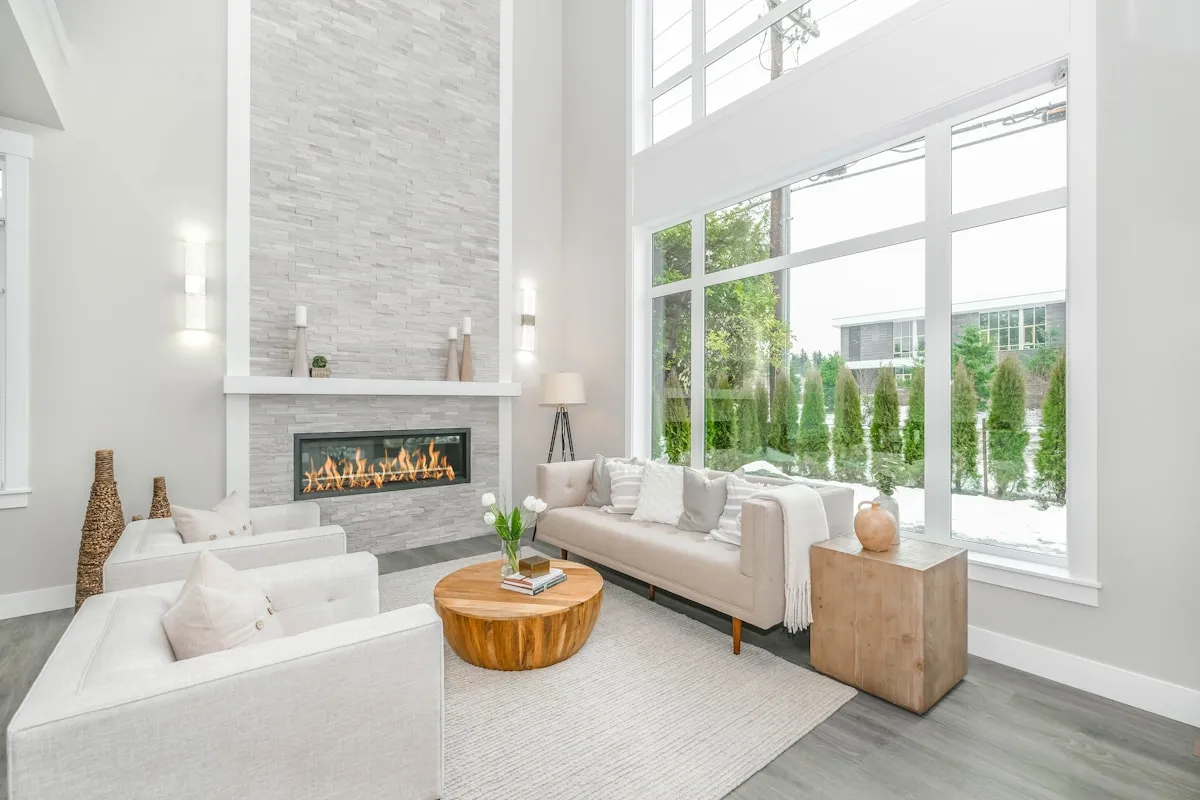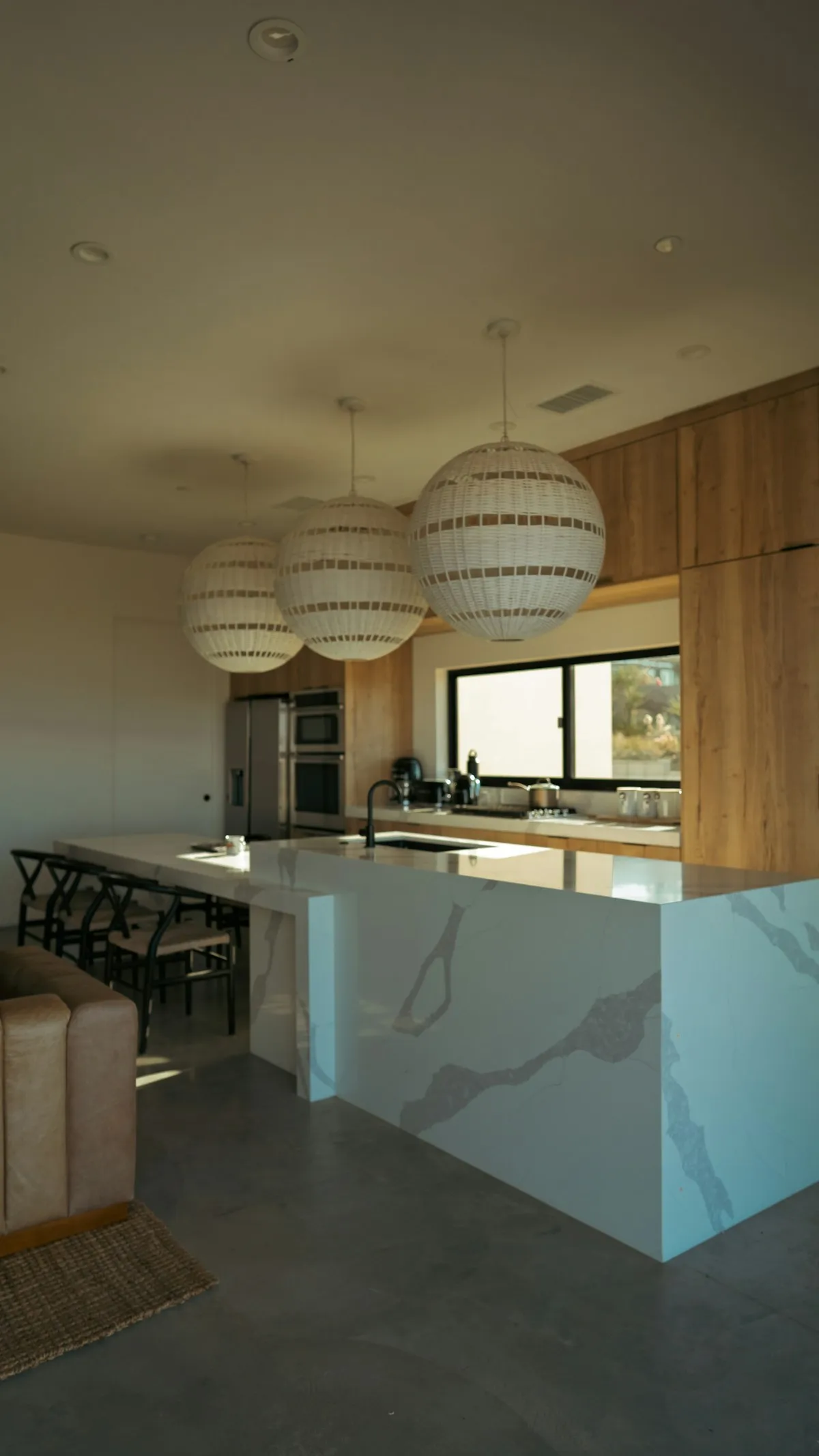


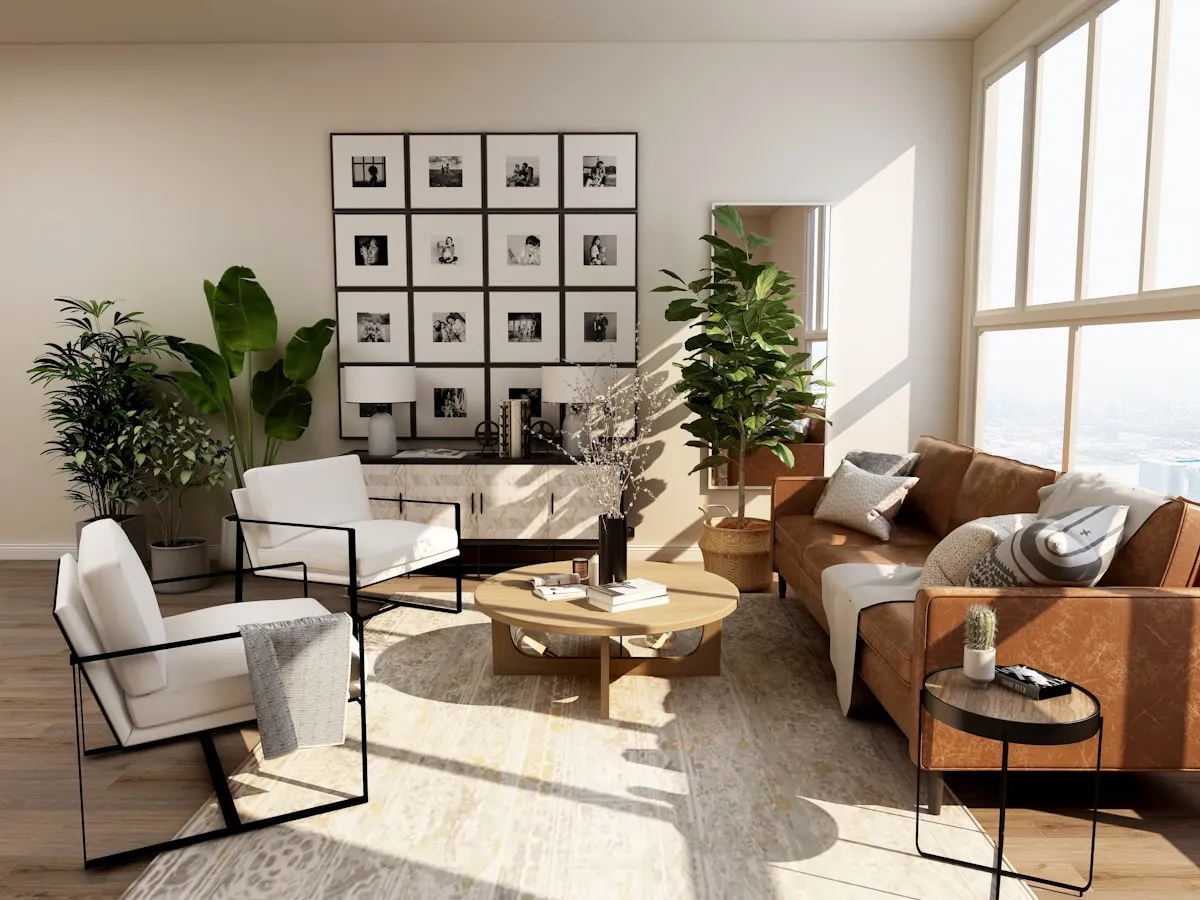
Cold minimalism is dead. For years, homeowners preparing their properties to sell received the same advice: remove everything, paint white, eliminate any trace of personality. The result was an army of identical, cold, soulless apartments that paradoxically took longer to sell.
Data from 2025-2026 tells a different story. According to the Real Estate Staging Association (RESA), professionally staged homes sell 73% faster than unprepared ones, with an average of only 9 days on the market. But the nuance lies in what type of staging: those incorporating new trends of warmth and strategic personality outperform generic minimalism by 15-23% in final price.
Key 2026 fact: A National Association of Realtors (NAR) study reveals that 81% of buyers find it easier to visualize themselves living in a professionally staged home. The rooms with the most impact: living room (37%), master bedroom (34%), and kitchen (23%).
The End of Generic Minimalism
For the past decade, Scandinavian minimalism dominated interior design. Pure whites, cold grays, straight lines, and nearly empty spaces. It worked because it represented a break from past excesses. But in 2026, buyers are looking for something different: homes that look lived-in, not showrooms.
The transition is already underway. Pantone chose Mocha Mousse as the 2025 color of the year, a warm beige marking the shift toward cozier palettes. This trend has consolidated in 2026 with a clear preference for earth tones, natural materials, and spaces that convey comfort.
The Sarah Noel Interiors case illustrates the economic impact: a property in Arizona received $4,200 staging (paint, furniture, decoration). It sold for $175,000 more than the initial price, a 12.5% increase and an ROI of 4,066%. The key wasn’t removing, but strategically adding layers of warmth and personality.
The 8 Trends Transforming Homes in 2026
1. Earthy and Warm Color Palettes
Goodbye to gray and pure white. 2026 palettes embrace tones that connect with nature:
| Color | Approximate Code | Where to Apply | Impact |
|---|---|---|---|
| Soft terracotta | #C4A484 | Accent walls, textiles | Mediterranean warmth |
| Sage green | #9CAF88 | Kitchens, bathrooms, plants | Natural freshness |
| Warm beige | #D4C4B5 | Main walls | Neutral yet cozy base |
| Chocolate brown | #5C4033 | Furniture, frames, details | Depth and elegance |
| Off-white | #FAF6F0 | Ceilings, moldings | Luminosity without coldness |
Practical application: Instead of painting the entire home white, use off-white on ceilings and an accent wall in terracotta or sage green. The cost is identical, the visual impact is transformative.
Pro tip: Sage green is experiencing a boom in kitchens. Combined with natural wood and brass hardware, it creates a sophisticated atmosphere that buyers associate with magazine-worthy design.
2. Furniture with Organic Shapes and Curves
Straight lines and sharp angles give way to soft, rounded shapes. This shift responds to a psychological need: after years of uncertainty, buyers seek spaces that convey security and comfort.
Key elements:
- Sofas with curved arms instead of angular designs
- Oval or round coffee tables that soften the space
- Mirrors with organic shapes as decorative focal points
- Chairs with enveloping backs that invite sitting
Impact on value: According to designers consulted, introducing two or three pieces with curved shapes can elevate a property’s perceived value by 5% to 8% without significantly increasing staging costs.
3. Natural and Sustainable Materials
Sustainability has shifted from being a plus to becoming an expectation. 43% of interior design projects in 2026 include specific requirements for eco-friendly materials, according to industry data.
Preferred materials:
- Untreated or naturally finished wood: Oak, walnut, ash
- Natural stone: Travertine marble, quartzite, slate
- Natural fibers: Linen, organic cotton, jute, rattan
- Recycled metals: Brass, copper, wrought iron
- Recycled glass: In lamps and decorative elements
Application in staging:
- Replace synthetic cushions with linen covers
- Add natural fiber baskets for visible storage
- Include real plants (not artificial) in ceramic pots
- Use natural wood trays in bathrooms and kitchens
Market fact: Buyers between 25 and 40 years old are willing to pay 5-8% more for properties with ecological certifications or that demonstrate a commitment to sustainability in their finishes.
4. Spa-Style Bathrooms: The New Standard
The bathroom has ceased to be a functional space to become a personal sanctuary. 2026 trends point toward bathrooms that resemble luxury spas:
Transformative elements:
| Element | Investment | Visual Impact |
|---|---|---|
| Flush-mount shower tray | €1,500-2,500 | Very high |
| Fixed clear glass partition | €400-800 | High |
| Matte black or brass fixtures | €200-500 | High |
| LED backlit mirror | €200-400 | High |
| Humidity-resistant plants | €50-150 | Medium |
| Quality textiles (towels, mat) | €100-200 | Medium |
Dominant colors: White combined with natural wood, sand tones, and accents in black or brass.
Error to avoid: Brightly colored tiles or bold patterns. While some may like them, they limit the bathroom’s universal appeal.
5. Warm Kitchens with Natural Wood
The reign of immaculate white kitchens is ending. 2026 kitchens incorporate natural wood as the protagonist, creating spaces that invite cooking and sharing:
Current trends:
- Lower cabinets in wood, upper in neutral color (or vice versa)
- Islands and peninsulas with natural wood cladding
- Integrated or brass/matte black hardware
- Natural material countertops: Veined quartz, marble, stone-effect porcelain
- Integrated appliances to maintain clean lines
Combinations that work:
- Oak wood + off-white + brass
- Dark walnut + anthracite gray + stainless steel
- Light ash + sage green + matte black
Smart investment: If your current kitchen is white and modern, you don’t need to change it. Add wood elements (visible cutting board, open shelves, stools) and change the hardware to brass or matte black. Cost: €200-500. Impact: complete transformation of perception.
6. Discretely Integrated Technology
Home automation is valued, but only when it’s invisible and functional. Bulky or complex systems detract from appeal. The 2026 trend is technology that improves life without dominating the space.
What DOES work:
- Smart thermostat (Nest, Tado, Netatmo): €150-300
- App-controlled dimmable lighting: €300-800
- Keyless smart locks: €200-400
- Discreetly integrated speakers: €200-500
- Motorized blinds: €150-300 per unit
What DOESN’T work:
- Visible control panels on walls
- Proprietary systems requiring specific apps
- Complex automations the buyer won’t know how to use
- Obsolete technology (more than 3-4 years old)
ROI of well-implemented home automation: The combination of thermostat + lighting + smart lock (investment ~€1,500) can add between €5,000 and €10,000 to the perceived value of the property.
7. Decorative and Ambient Lighting
Lighting has gone from functional to becoming a decorative element in its own right. 2026 trends prioritize:
Types of lighting to incorporate:
| Type | Function | Examples | Budget |
|---|---|---|---|
| Ambient | General base of the space | Dimmable recessed lights, ceiling lamps | €500-1,500 |
| Task | Illuminate specific activities | Desk lamps, under-cabinet kitchen lights | €200-500 |
| Accent | Highlight decorative elements | LED strips, directional spots | €150-400 |
| Decorative | The lamp as object | Designer lamps, statement pendants | €300-1,500 |
Specific 2026 trends:
- Organic pendant lamps over dining tables and kitchen islands
- Wall sconces to create layers of light
- Hidden LED strips under furniture and in moldings
- Warm tones: 2700K-3000K instead of cool light
Case study: In a Gràcia apartment, replacing a basic ceiling light with a designer pendant (€450) plus installing hidden LED strips in the living room (€200) increased requested visits by 35% after renewing the listing photos.
8. “Lived-In” Style with Layers and Personality
The most significant change in 2026 is the evolution from cold staging to the lived-in look: spaces that appear inhabited by real people, not prepared for a photo shoot.
Elements of lived-in style:
- Stacked books (real, not decorative empties)
- Textured throws casually draped over sofas
- Varied cushions (not all the same, different textures)
- Art with personality (not generic IKEA prints)
- Travel objects or collections (in moderation)
- Fresh flowers or plants (never artificial)
The right balance:
- Enough personality to feel warmth
- Enough neutrality for the buyer to project themselves
- Quality in visible objects (not quantity)
- Coherence in style and color palette
Common error: Confusing “lived-in” with messy. The lived-in style is carefully edited: every object is there for a reason.
The Rooms That Matter Most (and How to Prioritize Them)
NAR 2025 data is clear about where to focus investment:
| Room | Impact on Purchase Decision | Staging Priority |
|---|---|---|
| Living room | 37% | Maximum |
| Master bedroom | 34% | High |
| Kitchen | 23% | High |
| Bathrooms | 18% | Medium-high |
| Secondary bedrooms | 12% | Medium |
| Outdoors/terraces | 10% | Medium |
Strategy by Budget
Low budget (€500-1,500):
- Paint in warm tones (modern neutral colors)
- New textiles: cushions, throws, rug
- Plants and natural decorative elements
- Ambient lighting (warm bulbs, one statement lamp)
Medium budget (€1,500-4,000): All of the above plus:
- Key staging furniture (sofa, coffee table)
- Art and decorative mirrors
- Bathroom refresh: fixtures, mirror, textiles
- Kitchen: new hardware, wood elements
High budget (€4,000-10,000): All of the above plus:
- Complete professional staging
- Basic home automation (thermostat, lighting, lock)
- Minor bathroom or kitchen renovation
- Professional photography and video
The Spanish Market: AHSE Data
The Home Staging Spain Association (AHSE) reports revealing statistics for 2025-2026:
Impact of professional home staging:
- 41% of staged homes achieve a better price than the initial valuation
- 80% sell in less than 40 days (national average without staging: 8+ months)
- The average reduction in market time is from 300 days to 38 days (documented real case)
ROI of staging in Spain:
- Average staging investment: €2,000-5,000
- Average increase in sale price: 5-15%
- Average ROI: 200-700%
Barcelona context: With average prices of €4,991-5,200/m² (Idealista Q2 2025) and sale times below the national average, staging in Barcelona focuses less on accelerating the sale and more on maximizing the price. An 80m² apartment (value ~€400,000) can obtain an additional €20,000-60,000 with well-executed professional staging.
5 Mistakes That Destroy Your Home’s Appeal
1. Excessive Depersonalization
The problem: Removing absolutely everything leaves cold, impersonal spaces that make it difficult for buyers to emotionally connect.
The solution: Keep elements that tell a positive story about the space: books, plants, quality art, cozy textiles.
Practical rule: If the space feels like a budget hotel when you enter, you’ve removed too much.
2. Colors Too Neutral or Cold
The problem: The gray and pure white that dominated the past decade now convey coldness and lack of creativity.
The solution: Introduce at least one warm tone in each room: terracotta, sage green, golden beige, or visible natural wood.
Practical rule: Each room should have at least three tones: neutral base, warm secondary, and accent of interest.
3. Ignoring Lighting
The problem: Many owners update furniture and paint but keep the original lighting, which is usually inadequate or outdated.
The solution: Invest in lighting before furniture. Correct lighting makes everything else look better.
Practical rule: Each room needs at least three light sources: general, task, and ambient.
4. Neglecting Exteriors
The problem: Concentrating all investment on the interior, forgetting that the first impression occurs before crossing the threshold.
The solution: Dedicate at least 10% of the staging budget to exteriors: entrance, terrace, balcony.
Key elements:
- Quality doormat
- Plants at the entrance
- Clean and attractive terrace furniture
- Good exterior lighting
5. Staging Incongruent with the Neighborhood
The problem: Preparing an apartment with ultra-luxury style in a mid-price neighborhood, or vice versa.
The solution: Staging should reflect the lifestyle of the target buyer for that area.
Barcelona example:
- Eixample: Classic-contemporary elegance
- Gràcia: Sophisticated bohemian, artistic
- Poblenou: Industrial-modern, creative
- Sarrià: Timeless classic, family-oriented
How to Implement These Trends: Practical Guide
Phase 1: Assessment (1-2 days)
- Photograph your home as if you were a buyer visiting for the first time
- Identify weak points: What conveys coldness? What’s outdated?
- Define your budget following the 1-3% of sale value rule
- Research target buyers in your area
Phase 2: Planning (2-3 days)
- Create a mood board with the trends you’ll apply
- List necessary purchases by category and priority
- Schedule tasks: painting first, decoration after
- Contact professionals if you need help (photographers, stagers)
Phase 3: Execution (1-2 weeks)
Week 1:
- Declutter and deep clean
- Paint if necessary
- Minor repairs
Week 2:
- Incorporate furniture and textiles
- Add decorative elements
- Adjust lighting
- Professional photo session
Phase 4: Marketing
- Professional photography: Essential. 95% of buyers start their search online.
- Video walkthrough: Increasingly in demand, especially by international buyers.
- Aligned description: The listing text should reflect the staging style.
- ✅ All lights on (natural + artificial)
- ✅ Fresh flowers in living room and kitchen
- ✅ Beds perfectly made with quality textiles
- ✅ New towels in bathrooms (rolled or folded)
- ✅ No visible personal items (photos, medicines, documents)
- ✅ Curtains/blinds open to maximum
- ✅ No visible cables
- ✅ Comfortable temperature (the buyer will notice during the visit)
When to Hire a Professional vs. DIY
Do it yourself if:
- Your budget is under €2,000
- You have a good eye for design and available time
- The property only needs decorative updating (no renovations)
- You can access quality furniture (owned, rented, or borrowed)
Hire a professional if:
- Your property is worth more than €400,000 (ROI justifies investment)
- Sale timing is critical (inheritance, divorce, new purchase)
- The property is empty and needs complete furnishing
- You have no experience in design or decoration
- You’re competing with similar properties already professionally prepared
Cost of professional staging in Barcelona:
- Consultation + plan (no furniture): €300-600
- Partial staging (textiles, accessories): €1,000-2,500
- Complete staging (furniture included): €3,000-8,000
- Luxury staging: €8,000-15,000
Conclusion: Home Staging as Strategic Investment
The 2026 interior design trends share a common thread: humanized warmth. Buyers no longer want perfect spaces that look like renders; they want homes they can imagine living in from the first moment they cross the threshold.
The good news is that implementing these trends doesn’t require large investments. Changing the color palette, introducing natural materials, improving lighting, and adding strategic layers of personality can be achieved with modest budgets and extraordinary results.
Keys for 2026:
- Abandon cold minimalism: Embrace warm tones and natural textures
- Invest first in lighting: Transform any space without construction work
- Prioritize living room, bedroom, and kitchen: Where purchase decisions are made
- Tell a story: Staging isn’t decorating, it’s creating a lifestyle narrative
- Adapt to target buyer: Gràcia staging isn’t the same as Sarrià
- Measure ROI: Every euro invested should justify itself in the final price
Preparing your home to sell? Before investing in staging, request a professional valuation. Knowing the target price and buyer profile for your area will allow you to direct investment where it will have the most impact.
At Pedro Ochoa Real Estate we offer free valuations that include specific preparation and staging recommendations to maximize your property’s value in the current market.
Data updated as of February 2026. Sources: National Association of Realtors (NAR) Profile of Home Staging 2025, Real Estate Staging Association (RESA), Home Staging Spain Association (AHSE), Pantone Color Institute. Prices and percentages are indicative and may vary according to specific characteristics of each property and area. For personalized advice, contact Pedro Ochoa Real Estate.